Walk down any city street and sadly it won’t be long before you spot a crisp packet blowing in the wind, a plastic bag stuck in a tree, or a crushed can on the pavement. The UK is literally littered with rubbish that’s unsightly. It also has a serious environmental and financial impact.
Local authorities in the UK spend around £700 million to clear up litter in public places every year. Most people use bins to get rid of their rubbish to keep it secure and ensure responsible disposal. Carelessness, laziness, and ignorance can all cause littering and lead to waste entering and harming the environment in many ways.
Litter adds to the waste in our waterways, contributes to pollution, and can harm wildlife and human health. Don’t be a litterbug – discover how litter affects the environment and what we can all do to prevent it and look after our planet properly.
What is litter?
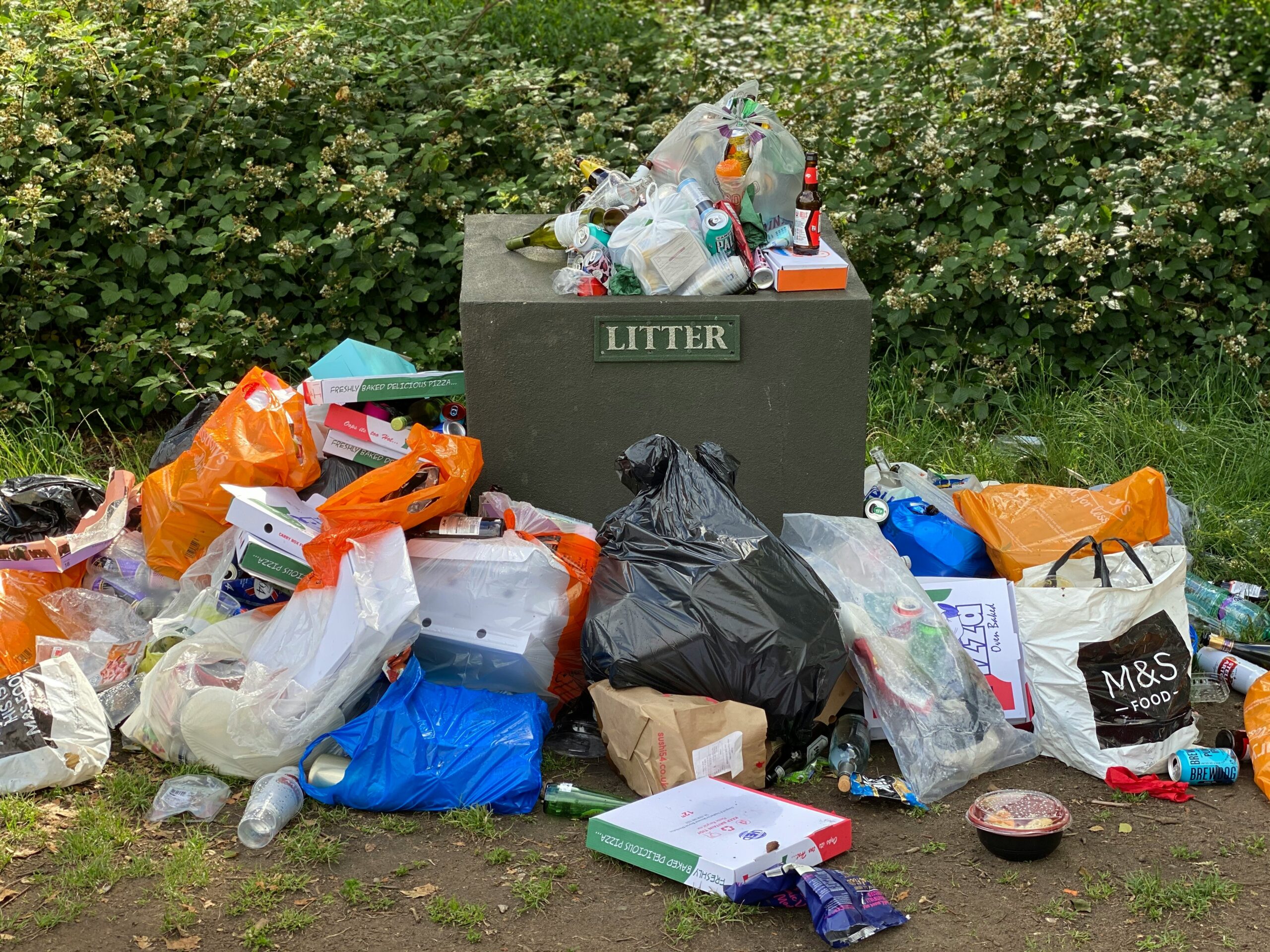
Litter is small bits of rubbish dropped on the ground in public places. This includes waste left lying on the street, footpaths, in parks, and on beaches. Littering is the action of leaving little bits of rubbish in public. Most kinds of litter are associated with smoking, eating, and drinking – anything larger could be considered fly-tipping.
Some of the most common types of litter are:
- Plastic drink bottles
- Metal drink cans
- Cigarette butts
- Crisp packets
- Takeaway and fast food boxes
- Plastic bags
Is littering illegal?
Littering is a criminal offence in England and Wales under Section 87(1) of the Environmental Protection Act 1990. It’s a type of low-level crime and most penalties are an on-the-spot fine with a Fixed Penalty Notice (FPN). Refusal or failure to pay the FPN could lead to court proceedings and a higher fine.
Fly-tipping is a more serious crime under section 33 of the Environmental Protection Act 1990. This is the illegal disposal of waste somewhere not licensed to accept it, such as leaving an old fridge in a public park. Potential penalties including a conviction in a magistrates’ court could lead to larger fines and jail time.
Why is littering bad
for the environment?
Leaving litter lying around damages the local environment in many ways. These small bits of rubbish soon add up and have a significant impact on the wider world. The weather means litter can blow or wash away into other places and affect our water, ground, air, and wildlife in negative ways.
Littering is bad for the environment as it can cause:
- Pollution – litter released into the environment will start to degrade where it lands. This can release hazardous, toxic, and chemical elements as well as microplastics into the environment as it breaks down, depending on the material. It can pollute nearby water, ground, and air as the litter’s disposal isn’t properly managed and controlled.
- Groundwater contamination – bits of litter can end up in rivers, streams, canals, and oceans that affect wildlife and drinking water sources. As litter decomposes any toxic and hazardous elements may leach into the groundwater and affect the drinking sources of humans and animals.
- Greenhouse gas emissions – organic waste such as food scraps decompose and release methane into the atmosphere (rather than being recycled, composted, or recovered where the emissions are controlled and used to create energy). This pollutes the air and contributes to global warming and climate change.
- Health hazards – rubbish in public places can attract pests that spread disease, such as rodents and insects. There’s also the risk of injury from people tripping over litter or cutting themselves on broken glass or metal tins and drink cans.
- Wasted energy – after bagging up litter in parks, roadsides, and other public places it’s then transported separately to waste management facilities. This requires extra energy compared to putting rubbish in appropriate bins in the first place, which adds to carbon emissions.
- Wildlife harm – parks are natural habitats for all sorts of wildlife and litter can make its way into streams, woods, and other places inhabited by all sorts of animals. Small bits of rubbish pose a choking hazard and can entangle animals causing all sorts of problems. Eating litter may also lead to digestion issues and possibly poisoning.

How to prevent littering
within your business
Businesses are responsible for waste management on their premises, which includes ensuring all rubbish is stored, removed, and disposed of properly. Littering can be an issue for companies if customers or staff drop rubbish and the wind carries it into public spaces and nearby waterways. For events and businesses with outdoor or exposed areas, it’s more of a risk.
To prevent littering within your business you must have the right types, sizes, and number of bins in place for employees and customers to use. Put up clear signs directing people towards the bins and explaining what materials can go in each one. This should reduce the risk of littering and increase recycling.
A waste management plan and policy are vital to ensure smooth storage, collection, and disposal of your commercial waste. Conduct a waste audit to assess what sizes and number of bins you’ll need and how often they should be collected to avoid overflowing bins. Train staff in the importance of waste management and litter prevention – including the financial and environmental impact.

Bin your litter with Divert
At Divert we can provide free bins for your business to store waste securely on site and prevent littering by your staff and customers. There are no delivery, rental fees, or hidden charges for the bins – you just pay for collection. Select from a wide range of bins, bags, and containers to suit your needs.
This includes bins for glass waste, cardboard recycling, food waste, general waste, and more. We divert all waste away from landfill and recycle as much as possible to benefit the environment and reduce your waste management costs. Get a free quote for waste collection today – call 0333 444 0117 or contact us online.
Get a quick quote
Get a quick FREE quote for waste collection
- Quick quote within 1 hr
- All types of waste
- Claim your free bins
- Nationwide coverage
Recycling in Leeds helps keep the largest city in Yorkshire as green as Roundhay Park, Woodhouse Moor, and Temple Newsham. However, in recent years household recycling rates in Leeds have fallen to around 35%. This is despite there being many options to recycle in Leeds for homes and businesses, which this guide covers.
The good news is the city now sends less than 3% of household waste to landfill – mainly thanks to the innovative recycling and energy recovery facility (RERF) that opened in late 2016. And sustainable initiatives are popping up all over, such as the Climate Innovation District and a range of zero-waste shops and cafes.
Discover everything you need to know about recycling in Leeds from your home or business with information about what, where, and how to avoid your domestic or commercial waste going to landfill. Recycle in Leeds the right way.

Household waste recycling in Leeds
Leeds City Council oversees household waste recycling across the city. This includes providing homes with a green recycling bin, and regularly collecting and recycling waste put in them. Leeds Council also operates eight household waste recycling centres (HWRCs) across the city and wider LS region (including in Otley and Wetherby).
Homes in certain areas of Leeds receive a brown bin for garden waste too, depending on your postcode. The council offers an unwanted household item collection service for bulky and other items not accepted in your green recycling bin. The service is currently free, but it is limited and due to high demand collections may not be available when you want.
At Divert we provide a range of household recycling services for homes anywhere in Leeds. This includes the removal and recycling of large items at a time that suits you with all waste diverted away from landfill. Get a free quote and find out more about each recycling service in Leeds:
What can you put in
recycling bins in Leeds?
You can put various items in your green recycling bin as long as they’re clean and dry. These are the materials and examples of rubbish you can recycle in your green household bin in Leeds:
- Aluminium (drink cans and food tins)
- Aerosols (empty deodorant cans)
- Bubble wrap
- Cardboard (cereal boxes, tissue boxes, and food packaging)
- Carrier bags
- Cartons (including Tetra Pak)
- Foil (including food containers and takeaway trays)
- Paper
- Plastic bottles, tubs, and pots (water bottles, food tubs, and yoghurt pots)
- Plastic types 1 (PET), 2 (HDPE), 4 (LDPE) and 5 (PP)
- Stretchy plastic bags and wrapping
You cannot recycle black plastic (including bags), brown plastic, glass, polystyrene, shredded paper, electrical items, wood, or garden waste in your green bin. Take these to your nearest HWRC or bottle bank to recycle responsibly.
How to recycle glass in Leeds
There are more than 700 glass bottle banks across Leeds. Clean and dry any used glass bottles and jars from your home and then drop them off at your local bottle bank. Many of these are in car parks of supermarkets, pubs, sports clubs, leisure centres, and other council-run car parks.
Recycling glass in Leeds is important as it’s infinitely recyclable and you cannot put it in your household green recycling bin. Any colour of glass bottle or jar is accepted at the bottle banks. You can also recycle glass waste at any HWRC in Leeds. Use this bottle bank map of Leeds to find your nearest one.
Glass waste from businesses in Leeds is a type of commercial waste, so must be removed by licensed waste carriers. Businesses can arrange glass waste collection in Leeds with Divert. We provide free glass bins with no delivery or rental fees – you just pay for collection – and all glass is recycled.

When are Leeds recycling days?
Recycling bin collection days in Leeds vary depending on where you live. Some households receive fortnightly green bin collections while in other areas it can be monthly. Check your recycling day in Leeds online. Simply enter your postcode and select your address to see your upcoming green bin collection days and dates.
Leeds recycling centres
There are eight recycling centres in Leeds. Anyone who lives in Leeds can use them to dispose of household waste and you can visit in a car or on a bicycle. You must have a commercial vehicle permit to use any HWRC in Leeds in a van, a large vehicle, or if you have a trailer attached to your car.
Commercial recycling in Leeds is only accepted at the recycling centres in Kirkstall and Seacroft. These are the addresses for all Leeds recycling centres:
- Kirkstall HWRC – Evanston Avenue, Kirkstall, Leeds, LS4 2HR
- Meanwood HWRC – Meanwood Road, Meanwood, Leeds, LS7 2LP
- Middleton HWRC – Holme Well Road, Middleton, Leeds, LS10 4TQ
- Otley (Ellar Ghyll) HWRC – Bradford Road, Otley, LS21 3DN
- Pudsey HWRC – Richardshaw Road, Grangefield Industrial Estate, Pudsey, LS28 6LG
- Seacroft HWRC – Limewood Road, Seacroft, Leeds, LS14 1LU
- Wetherby (Thorp Arch) HWRC – Thorp Arch Industrial Estate, Leeds, LS23 7BJ
- Yeadon HWRC – Milner’s Road, Yeadon, Leeds, LS19 7JE
Other recycling options in Leeds
There are bring sites all over Leeds where you can recycle other materials from your home alongside glass. These include recycling banks for old clothing, paper (including newspapers and magazines), and small electrical items (such as old phones, laptops, tablets, toasters, kettles, and other small appliances and devices).
Bring sites are small recycling sites with one or more banks to recycle such domestic waste. They’re often located in pub, supermarket, and council car parks. They’re ideal for people who can’t drive to a HWRC and an easy way to recycle household waste that you can’t put in your green bin in Leeds.

Business waste recycling in Leeds
Businesses in Leeds must arrange collections of all rubbish they produce by licensed waste carriers, including all recyclable materials. You should use a range of bins to separate recycling in your organisation. This benefits the environment and saves your company money, as you’ll pay less landfill tax as part of your disposal costs.
At Divert we can help businesses in Leeds working in any industry and of any size and age with your waste recycling. We provide free bins for recycling in Leeds such as glass, cardboard, plastic, and mixed recycling. Find out more about our business recycling services in Leeds:
- Dry mixed recycling in Leeds
- Cardboard recycling collection in Leeds
- Commercial glass recycling in Leeds
- WEEE collection in Leeds
- Office clearances in Leeds
Call 0333 444 0117 or contact us online today for a free quote for waste collection and recycling from your business in Leeds. Prices are tailored to your needs and there’s no obligation to proceed. One of our team can answer any questions and find a suitable solution for you.

Get a quick quote
Get a quick FREE quote for waste collection
- Quick quote within 1 hr
- All types of waste
- Claim your free bins
- Nationwide coverage
Landfill essentially works by digging a big hole, lining it with a plastic material, dumping waste into it, compacting everything, and covering it with soil. The idea is that the rubbish put in landfills will break down and decompose over time. It’s the second-most used waste treatment in the UK.
As landfill has been in use for many years, in lots of cases the waste is put on top of existing rubbish that’s decomposed or is still breaking down or in new cells. Every landfill site operates slightly differently but the Environment Agency (EA) regulates each one to ensure they run safely and legally.
A greater focus on recycling and recovering waste, as well as a finite amount of space, means the number of landfill sites in the UK is falling. However, lots of our rubbish still ends up in them. Understand how landfill works and the problems with it as a waste treatment option in this blog post.

Landfill waste statistics
For an idea of how much domestic and commercial waste makes its way to landfill check out these landfill waste statistics:
- 10,000 tonnes of waste are sent to landfill sites every day across the world
- There are around 600 landfill sites across the UK
- Landfill is the second-most used waste treatment method in the UK (after recycling and recovery)
- Almost one quarter (23.6%) of waste in the UK is disposed of at landfill sites
- 8 million tonnes of waste are disposed of at landfill sites every year in the UK
- This includes 8 million tonnes of biodegradable municipal waste
What is landfill?
Landfill is a waste disposal method that involves burying waste in large, excavated pits or piling it up directly on the ground. Often at a landfill site, an area is quarried in the ground, it’s filled with waste, and then covered. Sometimes waste is piled above ground that creates land around the site, known as land raising.
The idea of landfill is to create space for waste where it can decompose. There are different designs and ways of working across landfill sites, but they’re all regulated by waste management staff today. Other names for a landfill site include the tip, dump, rubbish dump, garbage dump, trash dump, or dumping ground.
How does a landfill work?
Landfill site designs vary but most follow a similar approach. Modern landfill sites are designed to separate the waste from the ground to reduce the risk of polluting the ground and nearby water. This is how a landfill works from start to end:
- Excavation – a big hole is dug using industrial machinery on the landfill site to create a designated area for waste disposal. These specific areas within the landfill site are known as cells. They’re prepared, filled, completed, and restored over time.
- Liners – clay or strong plastic are used to line the cell. This is to prevent waste and liquid (leachate) from escaping from the cell and landfill to pollute the surrounding soil and water.
- Waste disposal – the waste is tipped at a designated ‘working face’ on the cell and into the hole. It’s spread out, layered, and then crushed down with a compactor. When all the waste is dumped for the day it’s covered with a layer of soil or inert material and left to break down.
- Leachate collection – rainwater onto landfill and moisture within a cell can run through and create leachate – a polluting liquid waste. To prevent this polluting surrounding soil and water there’s a leachate collection system in place. Holes are drilled into the waste, lined with pipes, and a pump is fitted. This pumps excess leachate into a storage tank that’s taken off-site for safe disposal when full.
- Gas control systems – methane and carbon dioxide are released that must be managed with a gas control system. Holes are drilled, lined with pipes, and connected to a gas pump. This gas is removed and may be burned to minimise its environmental impact or used to produce electricity. Gas levels are measured around every landfill site to identify changes quickly.
- Landfill cap – a cap is placed on top of a landfill site when it’s full. Normally this is made from a thick layer of compacted clay that prevents rain from seeping through and bad smells emerging. Grass and trees may be planted on top. Even after a landfill site closes it must be regularly monitored to check on the leachate and gas levels.

What are the problems with
burying waste in landfill sites?
The Environment Agency regulates UK landfill sites to ensure they operate safely, and modern designs aim to reduce the negative environmental impact of landfills. However, there are still many problems with burying waste in landfill sites that include:
- Greenhouse gas emissions – a lack of oxygen as waste breaks down in landfills produces greenhouse gases including methane and carbon dioxide. While this should be managed with gas systems, landfills still release such emissions. Methane is especially problematic as it’s 80 times more harmful than CO2 and traps more heat in the atmosphere, which contributes to global warming.
- Leachate – again, there should be systems in place to manage leachate in landfills, but it can still escape. This toxic liquid can contaminate nearby lakes and rivers, which are drinking sources for wildlife. This can cause serious harm to animals and affect human health.
- Toxins – medical, chemical, and electrical waste especially that ends up in landfill can release toxins as they break down. These can pollute surrounding ground, water, and air, harming human health and local ecosystems.
- Foul smells – rotting waste and methane creates a pungent smell that’s incredibly unpleasant. This may affect those living nearby, especially on windy days, and any visitors to nearby attractions. In some cases, landfill sites make nearby land unusable due to the bad smells.
- Limited space – there’s only a limited amount of space in the UK where we can dig big holes and bury waste, so alternative sustainable solutions need to be used where possible.
Divert your waste away from landfill
At Divert we understand the problems with landfill, which is why we divert all waste we collect away from landfill sites. Instead, we offer solutions to recover, recycle, and reuse rubbish where possible. It could be recycling glass from your pub to ensuring your broken fridge is recycled rather than dumped in a hole in the ground.
We provide a wide range of waste removal services for businesses and homes. Find a solution whether you need regular mixed recycling collections from your workplace or a one-off house clearance. Call 0333 444 0117 or contact us online today for a free quote for waste removal that’s diverted away from landfill.
Get a quick quote
Get a quick FREE quote for waste collection
- Quick quote within 1 hr
- All types of waste
- Claim your free bins
- Nationwide coverage
Fly-tipping is illegal rubbish dumping. Disposing of household, industrial, commercial or controlled waste on unlicensed land is fly-tipping. It’s a wide-ranging offence that includes everything from discarding an old mattress in a public park to dropping off tonnes of industrial waste at an unlicensed private site.
Dumping rubbish on public land or private property (even your own land) is fly-tipping if it doesn’t have a licence to accept it. This is different from littering, which is simply discarding small materials associated with eating, drinking, and smoking in the wrong place. Fly-tipping covers household and commercial waste.
Fly-tipping damages the environment and local ecosystems and is unsightly. Every year the UK government deals with more than one million incidents of fly-tipping that cost millions for councils (and therefore council taxpayers) to clear up. Discover all you need to know about fly-tipping so we can all work to eliminate it.

Why is it called fly-tipping?
The term fly-tipping is of British origin and simply means dumping any type of waste illegally on unlicensed premises. Two parts make up the phrase:
- On the fly – doing something quickly without thinking too much about how it should be done.
- To tip – to throw something out (often from a vehicle).
What is classed as fly-tipping?
Illegally disposing of household, business, or industrial waste of any type and amount in a location not licensed to accept it classes as fly-tipping. It could be solid or liquid waste and anything from one item like an old mattress to bags of rubbish. There’s a wide range of things that can class as fly-tipping.
Some common examples of fly-tipping include:
- Putting bags of household waste next to a public litter bin
- Leaving white goods and appliances out on the street
- Dumping mattresses and furniture in a local park
- Pouring industrial liquid waste into a stream or river
- Spreading garden waste in public woods or green space
- Burying household or commercial waste in your own garden
Why is fly-tipping bad?
Fly-tipping is an irresponsible way to manage any type and volume of waste. It’s harmful to the environment as the rubbish isn’t treated properly, recycled, or recovered. Depending on the materials, the waste may break down slowly and release hazardous and toxic elements that enter nearby soil and water.
Wildlife and domestic pets may encounter the dumped waste and try to eat it, which can cause choking, health issues, and death. If hazardous, clinical, infectious, and other dangerous waste types are discarded then it may also impact human health (especially children). Fly-tipping is a danger to anyone who comes across it.
Illegally dumping waste also ruins local areas as it’s unsightly, starts to smell, and may encourage others to fly-tip in the same spot. Cleaning up fly-tipping is also expensive and time-consuming for councils and local authorities. This is paid for by the taxpayers and the funds could be better used on other public services.

Is fly-tipping a criminal offence?
Fly-tipping is a criminal offence in the UK. Criminal convictions for fly-tipping carry potential penalties including a fine and a possible jail sentence. Section 33 of the Environmental Protection Act 1990 is the legislation that covers fly-tipping. It states that a waste offence occurs when:
“Depositing, knowingly causing or knowingly permitting the deposit of controlled waste or extractive waste on land without, or other than in accordance with, an environmental permit.”
How much is a fly-tipping fine?
Fly tipping fines vary in amount depending on where, when, and who they’re issued by and the circumstances of the offence. The maximum fine for anyone caught fly-tipping in the UK is £1,000 when issued with a fixed penalty notice (FPN). Fines for fly-tipping on larger scales can result in more serious penalties.
Any cases that go to the magistrates’ court and lead to a conviction could lead to a potential jail sentence of up to 12 months and an unlimited fine. In the Crown Court, there’s a maximum penalty of a five-year jail sentence and an unlimited fine. The amount and type of waste dumped illegally, and other circumstances may affect the fine.
How to report fly-tipping
Report fly-tipping to your local council (or the authority that covers the location where you witnessed illegal waste dumping). Normally you can do this through their website. Reporting fly-tipping is important to hold those responsible to account, ensure the rubbish is cleaned up, and dissuade others from dumping waste illegally.
Use the UK government site for reporting fly-tipping. Simply enter your postcode to find the details of your local council’s website where you can report fly-tipping.
How to stop fly-tipping
Prevent fly-tipping from your business by arranging commercial waste collection with licensed waste carriers – such as Divert. This ensures your business waste is removed and disposed of safely, legally, and responsibly. Check the credentials of those who remove your rubbish and that you receive a duty of care certificate that confirms the disposal method.
Dispose of all domestic waste in your household bins, take it to your nearest household waste recycling centre (HWRC), or book a man and van removal. These options should ensure your waste is disposed of, recycled, and recovered through the proper channels and not dumped illegally.
Reporting fly-tipping can help prevent it in your area. Other people and businesses dumping waste on your premises illegally can be infuriating too. These are a few ways to stop fly-tipping on your property:
- Secure the boundary – high fences and walls make it harder for people and vehicles to access your property to dump waste.
- Install CCTV – capturing footage of any fly-tipping can help lead to a prosecution, which should reduce the risk of it reoccurring.
- Display clear signs – putting up CCTV warning signs may make criminals think twice about fly-tipping if they think there’s a risk of being caught.

Is it illegal to put rubbish
in someone else’s bin?
The legalities around putting rubbish in someone else’s bin aren’t clear. Technically, it could be considered fly-tipping and anti-social behaviour as you’re dumping waste somewhere that’s not licensed to accept it. Prosecutions for throwing a bag of refuse in your neighbour’s bin are unlikely though.
Should you place hazardous waste or lots of rubbish in their bin consistently it may lead to legal action. If you’ve got rubbish that won’t fit in your bin – such as bulky items or bags of garden waste – contact Divert for a free quote for waste collection to avoid fly-tipping. Call 0333 444 0117 or contact us online.
Get a quick quote
Get a quick FREE quote for waste collection
- Quick quote within 1 hr
- All types of waste
- Claim your free bins
- Nationwide coverage
As the days start to get slightly longer and a little warmer, many of us emerge from winter hibernation reinvigorated. About now you might look around your home and think about sprucing it up as the dark days won’t hide the dust that’s built up over the past few months. It’s time for some spring cleaning.
An effective spring cleaning session can create bags and boxes of waste – from old clothes, to broken electricals and general junk you’ve been meaning to throw away for ages. Some of this is unavoidable but there are ways to reduce it and what you do with any rubbish your spring clean creates is important.
Use these spring cleaning tips to refresh your home and minimise the amount of waste you create – or at least divert it away from landfill – in the process.

What is a spring clean?
A spring clean is a thorough clear up and cleanse of a house usually at the start of springtime. These often happen in households in locations that experience cold winters (like the UK). One reason for this is that as warmer weather arrives it’s good for opening doors and windows when cleaning.
There are various theories behind why spring cleaning exists, but it’s generally a good time for dusting as high winds can carry dust out of the house. Plus, it’s not yet warm enough for insects entering homes to be an issue. Sometimes a spring clean is simply used to refer to a deep or thorough clean even if it’s not in springtime.
Spring cleaning can apply to the entire home or just one or two rooms. And it’s not just houses – you can spring clean a bungalow, flat, or even the garden shed.
When is spring cleaning?
There’s no official period for spring cleaning. Most people generally start having a spring clean any time from 1st March until the end of April. The official first day of spring is March 20th, while the last Sunday in March when the clocks go forward is also a popular tie to plan a spring clean.

How to spring clean your house
Spring cleaning your house can involve simply vacuuming and dusting every room or sorting through every cupboard, wardrobe, and chest of drawers for a complete clear-out. It may take anywhere from a few hours to a couple of days, depending on the size of your home and how thorough a job you plan.
An effective and efficient spring clean is preferable whatever size the task at hand. Use these spring cleaning tips to refresh your home, and reduce and manage waste responsibly.
Make a spring cleaning checklist
Writing a spring cleaning checklist is the easiest way to ensure every inch of your home is scrubbed and sparkling. Covering the jobs to do in each room should mean nothing is missed. If you don’t plan on a thorough cleanse you could create a list of general jobs and apply it to every room.
These are some common tasks to add to your spring cleaning checklist for the main rooms in your home:
- Kitchen – defrost the freezer, clean the fridge, oven, microwave, and dishwasher, mop the floor, dust high surfaces (top of the fridge), clear countertops, degrease drains, clean windows, and wipe the walls.
- Living room – dust and polish tables and furniture, wash cushion cases and curtains, clean windows and windowsills, wipe down ceiling fans, vacuum sofas and chairs, vacuum/mop the floor, and shampoo any rugs or carpets.
- Dining room – dust and polish furniture, mop/vacuum the floor, wash table cloths and curtains, dust blinds and curtain rods, clean windows and windowsills.
- Hallways – clean the doormat, sweep and mop floors, wipe walls and doors, and organise any shoe or coat racks.
- Bathroom – remove any unused or expired personal care items, clean mirrors, windows, bathtub, shower, and toilet, scrub tile grout, wash or replace shower curtain, mop the floor, and wipe down the walls.
- Bedrooms – wash bedding, vacuum carpets and rugs, dust blinds and curtain rods, clean the windows, dust and polish furniture, flip your mattress, and remove any unwanted clothing and other items.
Create your own cleaning products
A great way to reduce waste when spring cleaning is with some homemade cleaning products. These are natural alternatives that help reduce any chemical and hazardous waste you’d otherwise produce. Here are some effective and almost effortless ideas to create cleaning products at home:
- Repurpose old clothes as cloths for dusting, wiping, and even mopping down surfaces. You can always wash them out and reuse too.
- Use lemon halves to naturally deodorise and clean microwave interiors, leaving behind a citrus aroma.
- Clean glass surfaces with a solution of equal parts water and vinegar for a streak-free shine. Pour it into an empty spray bottle for that professional feel.
- Sprinkle baking soda on carpets before vacuuming to remove odours.
- Save an old toothbrush and scrub with it to clean hard-to-reach areas like tile grout and around faucets.

Deep clean carpets and rugs
Hopefully, you’ll vacuum carpets and rugs throughout the year to keep your home fresh. For a big spring clean you may want to go that bit further with a deep clean of any carpets and rugs. This helps get rid of the dirt and bacteria beyond the surface and any serious stains.
Start by clearing the room and vacuuming the carpet. Mix 1/4 cup of salt, 1/4 cup of baking soda, and 1⁄4 cup of vinegar in a bowl or jug for a DIY carpet stain remover and apply to any stains. Then fill an empty spray bottle with water and a little bit of soap.
Sprinkle baking soda and table salt over the carpet areas for the deep clean then spray with your DIY cleaning solution and leave to soak for a few minutes. Scrub with a stiff-bristled brush in one direction to loosen dirt, then go over in other directions. Press a towel in to soak up any water and then spray with clean water and dry with a towel again.
This method avoids creating any chemical waste. You can do the same on any rug in your home. If you find they’re dirtier than expected or plan on replacing them, arrange carpet and rug removal and disposal. This diverts them away from landfill and ensures they’re reused, recycled, or recovered.
Dust, wipe, and mop surfaces
Dusting is a big part of any spring cleaning. You’ll likely go over worktops and tables regularly but it’s those hard-to-reach areas and places you don’t normally look at that need dusting off and wiping down. It’s the perfect time as you can open your windows now it’s warm enough to encourage the dust out of your house.
Reduce waste by using an old t-shirt as a duster. Turn it inside out and dust away or tie it into a knot for a sturdier grip. You can also use old clothes, towels, and flannels for wiping down surfaces and mopping floors. These textiles should absorb any cleaning liquid or just water to easily wash any surface. Wash and dry them out to reuse as dusters or cloths for future cleaning.
Remember outdoor spring cleaning
It’s not just inside your home that needs refreshing, outdoor spring cleaning is important too. Now is the perfect time to tidy up your garden and spring clean your garage and shed. Treat your garage and shed like the rooms in your home by making a checklist of tasks.
Remove any unwanted items, sweep and vacuum the floor, wash the windows, wipe the walls, dust and clean any surfaces. Taking out stuff from your shed or garage creates a good opportunity to improve its organisation so things are easier to access. Re-organise your system for easier cleaning next year.
Spring cleaning your garden will depend on its size and the plants in it. Mowing the lawn, cutting hedges, trimming branches, pruning perennials, raking leaves, and wiping down garden furniture are common jobs. Add any green waste this creates to your compost pile – if you don’t have one book garden waste removal.

Donate unwanted items
A thorough spring clean will likely unearth various things you no longer need or want in your home. Reduce waste by donating items where possible. Some ideas of what and where to donate items during a spring clean include:
- Give food from your cupboards to a local food bank
- Drop off unwanted clothes and shoes at any nearby clothing banks
- Donate furniture and appliances to charity shops
Not everything will be in a decent condition for donating. Use a man and van removal service to get rid of bulky items or bags of junk and divert them away from landfill.
Add some fun
Let’s face it – spring cleaning isn’t the most enjoyable activity. It can take hours and even days if you live in a big or messy home. The best way to make the time fly is to all pitch in and tackle the jobs together. It can be a fun family bonding activity.
Make a playlist so you can sing and dance along while you work. Turn cleaning into a friendly competition between kids but focus on cleanliness rather than speed to ensure the job still gets done well – such as who can make the best mop out of old clothes.

Get help with your house clearance
Spring cleaning your home may throw up more things you want to get rid of than your first thought. If you’ve got many bags of junk or some big and bulky items of furniture, appliances, or other equipment, then it might be more efficient to use house clearance services.
At Divert our man and van services can remove all sorts of rubbish from your home. They’ll come out to your property, lift and load everything into the van (saving you the effort of a trip to the tip), and take it to a facility away from landfill. Get a free quote today – call 0333 444 0117 or contact us online.
Get a quick quote
Get a quick FREE quote for waste collection
- Quick quote within 1 hr
- All types of waste
- Claim your free bins
- Nationwide coverage
It’s important to recycle computers at the end of their life. Computers, laptops, PCs, and tablets are all waste electric and electronic equipment (WEEE). Responsible computer disposal avoids them ending up in landfill whether you’re upgrading and replacing old models in the office or disposing of a broken laptop you use at home.
Getting rid of old computers isn’t like throwing away a crisp packet – you can’t just chuck them in your bin at home. You need to do a bit of preparation and then decide the best way to get rid of your old machine from your home or business. Learn how to recycle a computer in this guide.
Divert can help if your business needs to get rid of any computers or you’ve got a few ready to recycle at home. Call 0333 444 0117 or contact us online for a free quote and arrange removal of your old computers today.

How to prepare a computer, PC, or laptop for recycling
There are a few things you should do before recycling an old PC or laptop to stay safe and ensure as much as possible is recycled. Simply handing an old laptop over to someone else could lead to a security breach and exposing sensitive information. Follow all these steps before recycling your computer:
- Back up everything you need – make sure you’ve removed and stored everything you need from your old computer on an external hard drive, USB stick, your new computer, or uploaded to the cloud. Make a note of any licence keys for software and double check you can access everything you need once removed before moving onto the next step.
- Do a factory reset – to prevent access to any files or programs installed on your old computer or laptop it’s vital you do a full factory reset. Instructions for how to do this should be available on your device or online.
- Use data shredding software – even after a factory reset some sensitive data may be accessible if your old computer falls into the wrong hands. You can shred data on Windows 10 and 11 systems by using the factory reset settings. To stay extra safe you may consider using additional data shredding software.
- Remove the hard drive – an alternative to using data shredding software is to physically remove the hard drive and keep it safe. Use an external caddy and pop in your old hard drive so it can be used like a USB on your new computer.
- Take out the battery (from a laptop) – depending on how you’re recycling an old laptop you might ant to remove the battery and recycle it separately. It should be taken out before the laptop recycling process anyway, but you can remove it and recycle in most battery bins too.
- Peel off any stickers – if you’ve decorated your laptop or computer tower with some funky stickers it’s time to peel them off, as the paper and glue are potential contaminants. Anyone receiving your old laptop/computer probably won’t have the same taste as you and will appreciate their removal.
Where can you recycle computers?
Recycling an old PC or laptop from home is possible at a few places in the UK. These are all free and should ensure the computer and/or its parts are recovered. There are other options for getting rid of computers but for a choice that recycled your machine these are three good choices:
- Electrical shops – many electrical retailers offer a take back service that ensures your old PC or laptop is recycled. You don’t need to have originally bought the machine from the exact electrical shop either. If you’re buying something new they might even provide store credit or knock it off your purchase (though this varies between retailers).
- Household Waste Recycling Centre (HWRC) – most HWRCs will have an area or containers where you can recycle old computers and other electricals from your home. These must be domestic computers. There’s no charge although there may be limits to how many you can get rid of at once or in a year.
- Computer recycling scheme – some other places run free computer recycling schemes, such as a WEEE Charity. They collect domestic computers and equipment for free, will wipe its data, and then refurbish and gives them to those in need or recycles them.

Options for getting rid of old computers that work
Recycling isn’t the only option if you’re getting rid of an old computer and it’s still in good working order. It’s great to recycle a computer but the process requires energy and transportation, so finding ways to reuse or prolong its life is always best for the environment. These are a few free ideas to dispose of old computers:
- Donate – got a friend or family member after a new laptop? Consider giving them your old one. Alternatively, take it to a charity shop or donate to a local community cause that could benefit from a computer.
- Sell online – list your old computer, laptop, or IT equipment on sites like Gumtree and Facebook Marketplace to make a bit of money and get rid of your old machine at the same time.
- Upcycle – depending on what you use your computer for, could you just upgrade the graphics card or replace the speakers to improve performance? It saves on waste and should be cheaper than buying a new machine.
How are computers recycled?
After disposing of an old computer and sending it for recycling you might wonder what happens to it. If they can’t be reused then they’ll likely go to a specialist recycling centre where they’re processed, parts are recovered, and materials are separated and recycled. The main stages of computer recycling include:
- First the old computers are sorted by their type – then they’re tested and any that work may be sent for refurbishing.
- Key parts are removed from the computer including any speakers, the circuit board, and graphics cards.
- It’s then disassembled, and parts separated by materials – such as any plastics, ferrous and non-ferrous metals, and hazardous materials.
- The hard drive is shredded and sometimes recycled into aluminium ingots that are used by the auto industry.
- Everything remaining is separated by material and usually shredded and used to form new materials. Plastic, glass, and metals are sent to specialist recycling plants that deal with those materials and turn them into new ones.
How should businesses
dispose of old computers?
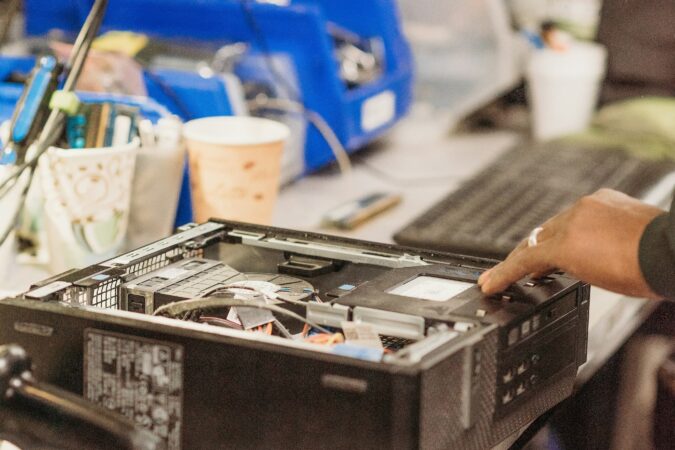
Computers are essential to every business but eventually they need upgrading or replacing. However, you can’t just take them to an HWRC or back to the retailer, as they class as commercial waste. Getting rid of old computers from an office or any other kind of business requires commercial waste collection.
Book removal of your computers, laptops, and any other electrical equipment with licensed waste carriers. This ensures they’re collected and recycled safely, legally, and responsibly. If any computers still work then they may be refurbished and donated, but those that are past it will be recycled properly at professional facilities.
Arrange commercial waste collection of any type and number of old computers with Divert. Our licensed waste carriers can collect your equipment at a suitable time and transport it to a nearby facility for recycling. Get a free quote today – call 0333 444 0117 or contact us online.
We offer WEEE collection services including old computers and IT equipment from businesses and homes across Yorkshire:
Get a quick quote
Get a quick FREE quote for your computer waste
- Quick quote within 1 hr
- All types of old computers
- Claim your free bins
- Nationwide coverage
Closed loop recycling is the process of using an item then recycling it and turning it into a new product of the same or a similar type. It’s a circular process where no additional materials are added to create the recycled product, and nothing goes to landfill.
For closed loop recycling all the materials in manufactured goods are recycled with nothing going to waste. Often the manufacturing process for such items is designed with closed loop recycling in mind. Careful consideration of materials used to avoid creating waste or quality degrading when recycled is important.
There are many examples of closed loop recycling in our daily lives and it’s good for homes and businesses to do their bit for the environment. Find out more about what closed loop recycling is, how it works, and the differences between open and closed loop recycling.

What is a closed loop
recycling system?
A closed loop recycling system is when products are used, the waste materials are collected and transported to a recycling facility. They’re then recycled and converted into new items of the same or similar goods that they started life as. No raw materials are required or added into the system to create new recycled products.
For example, an empty glass wine bottle can be collected and taken to a recycling facility. Here it’s washed, crushed with other glass waste, and turned into new recycled glass bottles. Then it’s sent to winemakers to be filled up with the finest red, white, or rose and used as a wine bottle again.
Closed loop recycling systems and processes vary depending on the specific waste type. However, the general process for closed loop recycling involves these steps:
- Waste items are stored in bins, bags, or containers and collected from homes and businesses
- They’re transported to recycling facilities where the waste is sorted and separated by material type
- These materials are cleaned and fed into machinery that often crushes or shreds the waste into small pieces
- It’s then processed and turned into new recycled materials and products of the same or similar type to the original
- The recycled products are sent to manufacturers to use, and the closed loop recycling system starts again
Closed loop recycling examples
There are many examples of closed loop recycling in our daily lives – from recycling an empty drink can to a used jam jar. Many materials can be recycled numerous times without quality degrading to form new versions of their original products. Here are a few closed loop recycling examples:
- Closed loop glass recycling – glass is infinitely recyclable; it can be recycled constantly without losing quality. Glass bottles, jars, and glassware can all be recycled into new bottles and jars.
- Closed loop metal recycling – aluminium drink cans are the main example of metal closed loop recycling. They’re cleaned, crushed, rolled together, and cut to form new recycled metal cans.
- Closed loop paper recycling – many types of paper can be turned back into new sheets and other paper products, such as writing, printing, and even toilet paper.
- Closed loop plastic recycling – one of the most common examples of plastic closed recycling is converting used PET plastic drink bottles into new ones. Not all plastic is recycled through a closed loop system, however.
- Closed loop textile recycling – some textiles go through a closed recycling process and are recycled as new fibres to create fabric for use in making new items of clothing, rugs, bedding, or other products.
Why is closed loop recycling good?
Closed loop recycling reduces the need to extract raw materials to create new products. This requires less energy, which results in a process that produces less pollution. Closed loop plastic recycling is especially beneficial as it avoids the need for fossil fuels that are otherwise used to create plastic types and products.
It also means less waste goes to landfill as all the material from products at the end of their life are reused. Many materials that can form part of a closed loop recycling system can take hundreds of years to decompose in landfill. Diverting them away from landfill avoids them adding to pollution levels and taking up landfill space.
What is open loop recycling?
Open loop recycling (or downcycling) is when waste items are recycled but turned into something different from their original purpose. The process may require the input of other virgin or raw materials. It can also create waste if some materials or parts of the product can’t be recycled into these new items.
Products of a similar material are usually processed, and the properties changed through heat, chemical reactions, or physical crushing to form new items. The material being recycled may also degrade in quality so it can’t be recycled again at the end of its life.
An example of open loop recycling is plastic milk bottles made from HDPE being collected and recycled but used to create new plastic pipes. With closed recycling, they would be recycled into more plastic milk bottles. Open loop recycling here means types of similar virgin plastic derived from fossil fuels may be added to create the products.
Open loop vs closed loop recycling
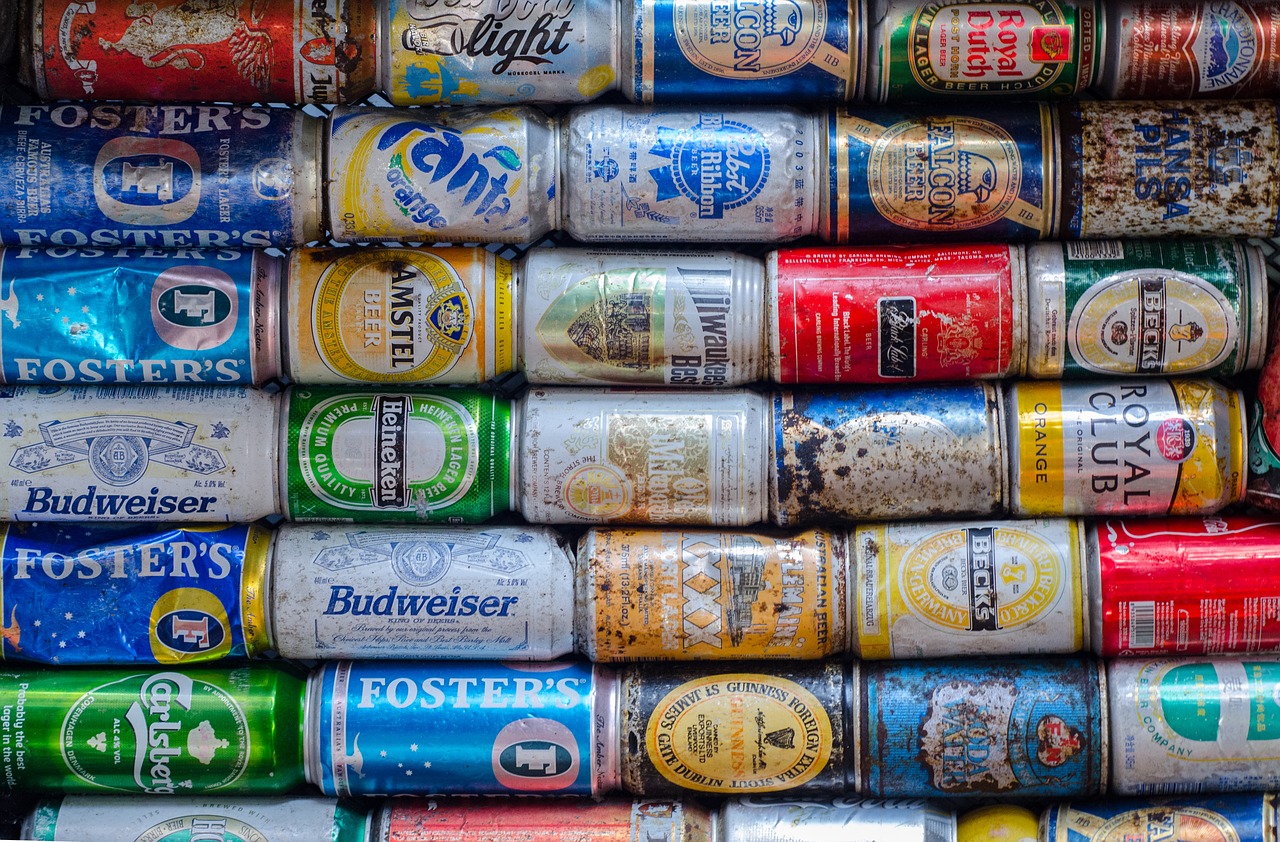
Open and closed loop recycling both aim to make good use of waste items after they’ve been used. These processes keep the materials in circulation and out of landfill. There are advantages and disadvantages to both. Whether waste follows an open or closed loop recycling process often depends on the type of material.
Open loop recycling
- Recycles waste into new items and keeps them away from landfill
- Requires fewer natural resources to create new products
- Some materials lose quality and can only be recycled once or a few times
- Raw materials may need adding into some open loop recycling processes
Closed loop recycling
- Products can be recycled and reused many times
- No extra raw materials are needed
- The materials maintain their quality throughout closed loop recycling processes
- Many waste materials aren’t suitable for closed loop recycling
Got some recyclable waste you need collecting from your business? Find out more about our dry mixed recycling services or speak to one of our expert team for a free quote today – call 0333 444 0117 or contact us online.
Step into any high street coffee shop or fast-food chain for a takeaway hot beverage and you’ll likely be handed it in a disposable cup. Every year 500 billion disposable coffee cups are used around the world. What happens to these cups after drinking your brew has a big impact on the environment.
You can recycle coffee cups but it’s not always as simple as throwing them away in a recycling bin. This is because most disposable coffee cups are made from a mixture of materials including a plastic or wax lining. However, you should never chuck out your used coffee cup with general waste.
Discover everything you need to know about coffee cup recycling whether you’ve just finished a hot drink on the go, run a high street café, or want to provide a recycling service in your coffee shop.

Are coffee cups recyclable?
Coffee cups are recyclable. However, they can’t be recycled with other paper waste or cardboard recycling, which means you can’t throw them away in household recycling bins. This is because disposable coffee cups have a thin plastic or sometimes wax lining to prevent leaking, improve durability, and control the temperature.
To recycle coffee cups this lining must be removed from the cup so the paper can then be recycled. Many standard recycling plants won’t accept disposable coffee cups for recycling as they don’t have the facilities for this and may send such waste for incineration or even landfill. Using specific bins, collection, and recycling services for coffee cups is vital.
Are coffee cups biodegradable?
Most disposable coffee cups are not biodegradable. This is due to the plastic lining they contain, which means they can take between 20 and 30 years to decompose. As they break down any toxins from the plastic may leach into the ground, which can have a negative environmental impact.
It’s best to recycle coffee cups where possible. There are more compostable coffee cups being developed and used that are plastic-free. These should break down in three months, but many are industrially compostable so may not be suitable for your compost pile in the garden. Check the cup to ensure it’s disposed of responsibly.
How to recycle coffee cups
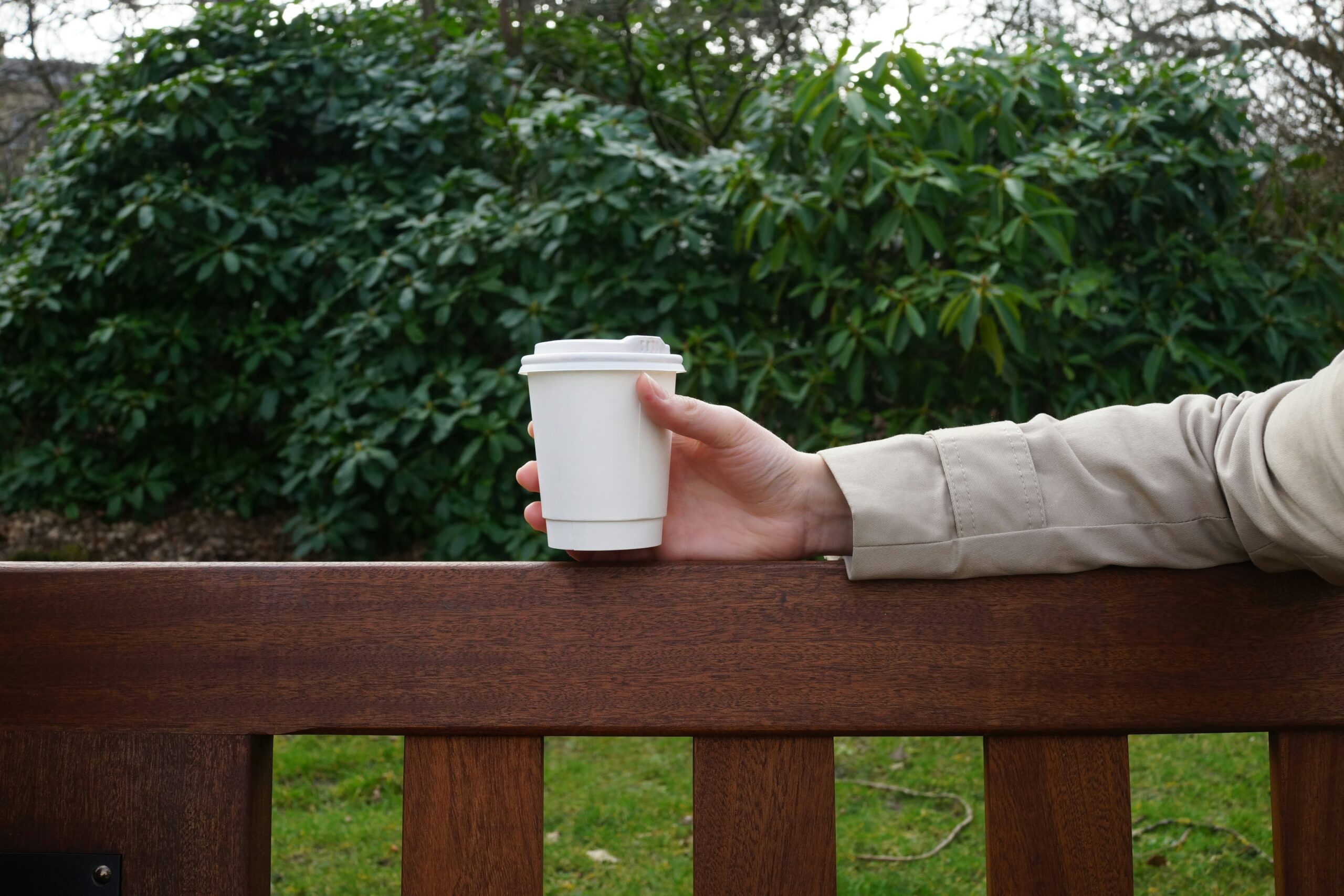
To recycle disposable coffee cups you should first pour out any remaining liquid and make sure it’s empty. Then find a dedicated coffee cup bin and throw it away. Most high-street coffee chains should have well-signed coffee cup recycling bins in place, as will some shops and cafes.
After disposing of your used coffee cup it should then be recycled. The process of coffee cup recycling follows these steps:
- Bags from inside each coffee cup recycling bin are removed and collected by a waste collection company.
- They’re transported to a specialist recycling facility where the coffee cups are assessed, sorted, and baled.
- Next, these bales of coffee cups go to a recycling plant with the infrastructure to recycle them.
- The plastic lining is stripped from the paper cup, separated, and sent to be recycled and reprocessed into new plastic products.
- All the remaining paper fibres then follow the same paper recycling process and are turned into new paper and card products.
Benefits of coffee cup recycling
Recycling coffee cups diverts waste from being sent to landfill sites across the UK. The high-quality paper fibre from recycled coffee cups can be used to create new paper products that save on the resources and energy required to make new coffee cups. It also helps reduce greenhouse gas emissions, which is a result of paper rotting in landfill.
Coffee cup recycling for businesses helps save money on waste management costs too. You should create less general waste and diverting coffee cup waste away from landfill means you’ll pay less landfill tax. Plus, recycling helps boost your brand’s green credentials and attract more eco-conscious customers.
How to reduce coffee cup waste
Reducing coffee cup waste is important to help protect the environment. There are a few ways coffee drinkers and businesses can work to reduce coffee cup waste:
- Switch to reusable cups – carry a reusable cup or flask with you and ask baristas to pour your brew into that to avoid using a disposable coffee cup and creating waste.
- Make your own coffee – simply make your own coffee at home and take it to work, on a walk, or anywhere else. You won’t be tempted to buy one on the go and use a disposable cup while saving money too.
- Use coffee cup recycling bins – if your business sells hot drinks in disposable cups you should have at least one coffee cup recycling bin in place. This helps customers responsibly dispose of their used cups and reduces waste going to landfill.
- Charge extra for disposable cups – businesses can also add an extra charge for anyone using disposable cups or offer a discount for reusable cup users. This should help reduce disposable cup usage and waste.

Coffee cup recycling facts
It’s estimated that around 6.5 million trees are cut down to make all the paper cups used for drinking coffee every year. Simply switching to reusable cups could save forests across the world and help the planet. Here are some more coffee cup waste statistics for the UK that will make you spit out your drink:
- Around 7 million coffees are sold in paper cups each day in the UK
- The UK gets through 5 billion disposable coffee cups every year
- Less than 1% of coffee cups are recycled
- About 500,000 cups are littered daily
- According to YouGov figures 52% of people dispose of coffee cups at work
Coffee cup recycling for businesses
Coffee shops, cafes, shops, and even offices can all benefit from having dedicated coffee cup bins in place. These provide an easy way for customers, staff, visitors, and anyone else to recycle used coffee cups. It should help reduce the amount of general waste and empty cups going to landfill or for incineration.
At Divert we’re all about diverting waste away from landfill, including coffee cups. We can provide free bins for businesses to recycle paper and cardboard – you only pay for collections. If you’re interested in bins for just coffee cup recycling then we can also help work out an effective solution for your company.
Get more information about help with coffee cup recycling for your business today – call 0333 444 0117 or contact us online.
Upcycling and recycling are two ways to reuse materials that reduce waste and carbon emissions. Sometimes the terms are incorrectly used interchangeably as they’re both sustainable practices, but the processes are different. Recycling is well established while upcycling is growing in popularity.
Both recycling and upcycling have many environmental benefits and are sustainable compared to disposing of rubbish. However, recycling is better for certain items and upcycling is more suitable for others, as the ways the materials are reused differ.
Understand the differences between upcycling and recycling and decide which action is best for your waste as we explain the two processes.
What is upcycling?
Upcycling is the process of taking an item or material that’s no longer needed and giving it a fresh use. It’s rejuvenating waste to turn it into something new and useful. This could be improving its condition so it can be reused for its initial purpose or converting it or combining it with other materials for a new function.
Generally, something is upcycled if discarded materials are either repaired, refurbished, or repurposed. Additional materials, resources, and a bit of creativity are required for upcycling many things. Old items are modified and given a second life, which saves them from being recycled or disposed of at a landfill site.
Upcycling examples
With a splash of creativity, almost any old item or material can be upcycled. There are examples of upcycling everywhere you look, from refurbished sofas to patched-up denim jackets. Find inspiration with some of these common upcycling examples:
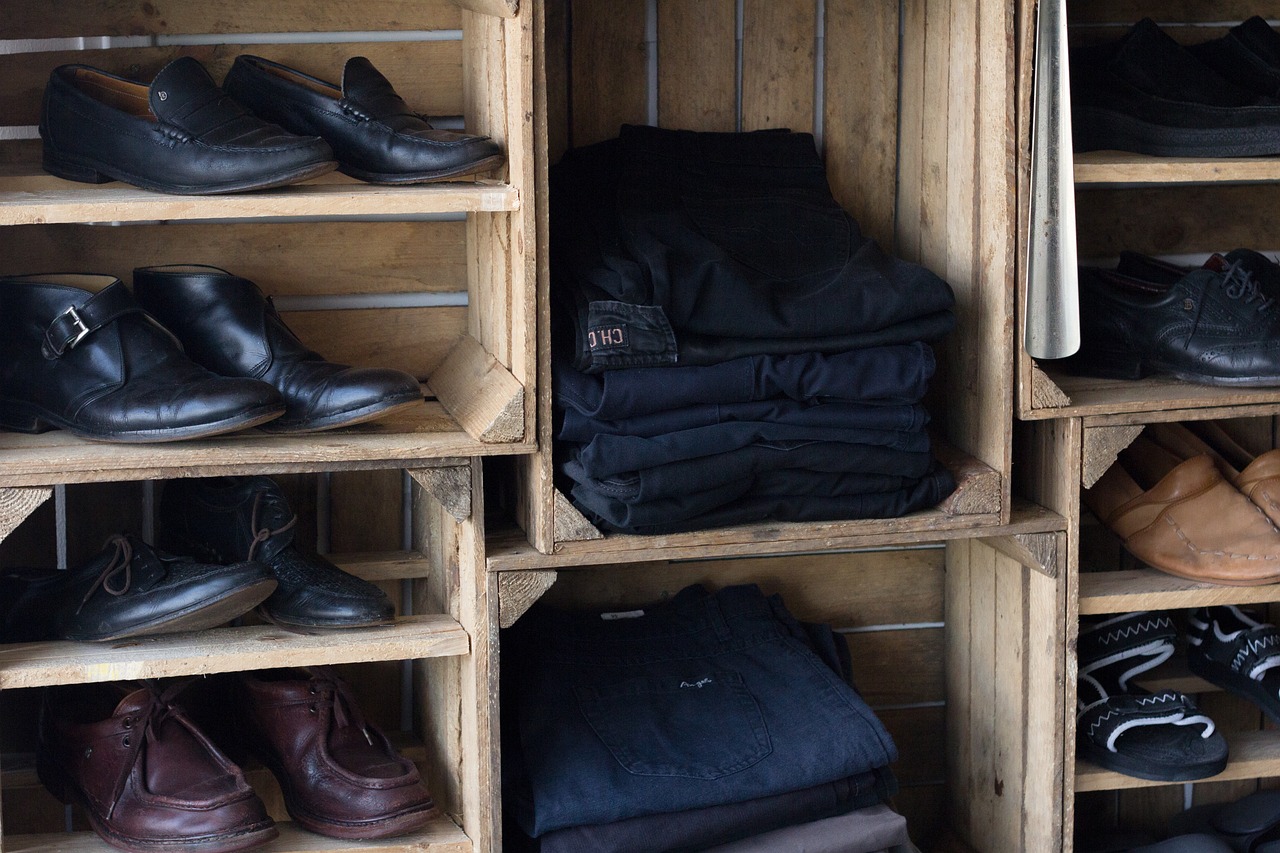
- Upcycled furniture – putting a new cover on an old sofa, painting a chest of drawers, or using empty crates to create a coffee table are all examples of upcycling furniture.
- Glass bottle lamps – clean and dry an empty wine, spirit, or other tall glass bottle and add a battery-powered light string inside to make an effective table lamp.
- Wooden pallet planters – flip a wooden pallet on its side and attach it to a wall or fence, then add a base to form a planter for herbs or other small plants.
- Cutlery hooks – unwanted spoons and forks can be bent and attached to a block to craft DIY coat hooks. Ensure all prongs are covered to stay safe.
- Ladder clothing rack – transform a small wooden stepladder into a clothing rack by placing a couple of waste wood planks between the two and a clothes rail across the top.

What is recycling?
Recycling is the industrial process that breaks down waste items and materials for reuse. The recycled materials are then used to form a new product. This is either the same as the original item (such as creating glass bottles from recycled glass) or something new (like making toys from recycled plastic drink bottles).
The process of recycling creates new raw materials from the original product. Glass can be recycled infinitely but for paper and plastic, there is a limit. In many cases, recycled paper, cardboard, and some plastics are of poorer quality compared to brand-new materials as they’re weaker. Still, recycling is much more sustainable than sending waste to landfill.
Examples of recycling
Many materials are recyclable when they reach the end of their life, including anything you can put in your household recycling bin. Examples of recycling range from empty glass beer bottles and jam jars from your home to the huge volumes of cardboard food packaging that shops get through. Some common recycling examples include:
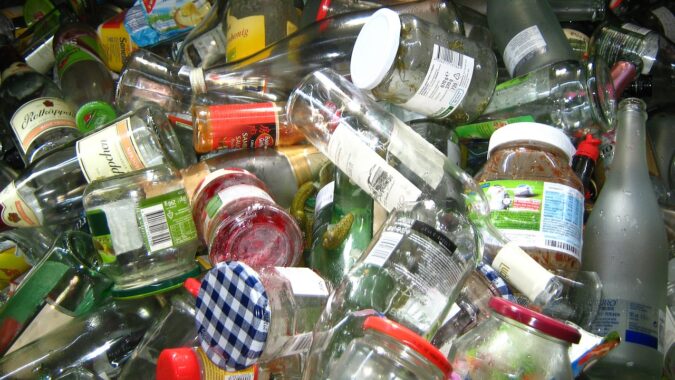
- Glass recycling – empty glass bottles and jars are infinitely recyclable as glass can be broken down and repurposed to form fresh products without losing quality.
- Paper recycling – most paper types are recyclable including newspapers, magazines, brochures, envelopes, and leaflets. They can be turned into pulp that’s used to create new paper products.
- Cardboard recycling – lots of cardboard is recyclable, such as delivery boxes, greeting cards, and corrugated cardboard. The process is similar to recycling paper with recycled cardboard often used to make new boxes.
- Plastic recycling – there are various plastic types, and some are recyclable. The plastic is separated by type, broken down and melted to form pellets that are then used to create new items.
- Dry mixed recycling – for convenience businesses can use dry mixed recycling bins that combine paper, cardboard, plastic, and metals (drink and food cans). They’re sorted by material and recycled in individual streams to form new paper, cardboard, plastic, and metal products.
The differences between
upcycling and recycling
Upcycling and recycling are both sustainable and environmentally friendly options for dealing with waste. Choosing to upcycle or recycle can depend on what types and volumes of unwanted materials you’ve got. These are the main differences between the two processes to help you decide whether your items should be upcycled or recycled:
- Recycling breaks down items into raw materials, which are used to create new products. The quality varies based on the original material.
- Upcycling products use the existing materials and can maintain or improve the quality, such as refurbishing an old sofa.
- The process of recycling requires energy to transport the waste, break it down, and recycle it into fresh materials.
- Upcycling aims to keep the original products and materials in use and circulation for as long as possible.
- The market for recycled products and materials is huge and continues to grow. It’s flexible as many materials are recyclable and can be used to form a wide array of products.
- There are restrictions on upcycled products as they must be used in their current form and the commercial demand is much less than for recycled raw materials.
Get more inspiration and learn about recycling and upcycling in our expert waste guides.
At Divert we’re all about diverting waste away from landfill and providing a range of commercial recycling services for businesses. This includes glass, paper, cardboard, and plastic collections. Get a free quote today for help with your recycling – call 0333 444 0117 or contact us online.
January is all about making decisions to do something new (or stop old bad behaviours) in the coming 12 months. Often these involve cutting out chocolate and investing in a gym membership. But New Year resolutions don’t just apply to our private lives, businesses can make them too.
The start of a new year is the perfect time for your organisation to set fresh goals to improve its recycling and waste management practices. It’s even more timely as Defra’s simpler recycling plans for 2025 are on the horizon and the UK’s 65% recycling rate target for 2030 edges ever closer.
We’re all about diverting waste away from landfill and recycling is one of the best ways to do this. Find inspiration to improve your company’s waste management practices in the new year with these eight recycling resolutions.

1. Give up single-use plastic
Single-use plastic products aren’t recyclable and many end up in landfill. Some single-use plastics were banned in the UK from the start of October 2023, including cutlery, plates, bowls, trays, and balloon sticks. However, many businesses still provide plastic bags and use disposable containers. Make a resolution to remove all single-use plastic from your operations and replace it with recyclable materials.
2. Commit to two recycling audits
Conduct an audit of your current commercial recycling activities early in the new year. This should highlight what types of recyclable waste your business produces, where you already recycle rubbish, and areas for improvement. Use the audit results to introduce new bins if necessary. Carry out recycling audits every six months to ensure your recycling rates are improving and to identify any other opportunities.
3. Set recycling rate goals
Having a defined aim helps your business focus on ways to improve its recycling, track progress, and identify any opportunities. Set goals such as improving your overall recycling efforts by 50%, recycling all paper waste, or ensuring no recyclable rubbish ends up in general waste. Tailor the goals based on your organisation at the start of the year and make time to review them every few months.
4. Use the best bins for your business
From March 2025, all UK businesses will legally need to separate glass, metal, plastic, paper and card (can be combined), and food waste. Get a head start by introducing bins for each recycling stream sooner. Assess how much you produce of each material to determine the best bin sizes to use and how often you need them collected from your site.

5. Switch to sustainable suppliers
Packaging waste is a big problem for many businesses, from cardboard delivery boxes to plastic wrap. Having a policy to only work with suppliers that use recyclable packaging ensures as much of this waste type as possible can be recycled. Review your supply chain and try to move away from any suppliers that don’t align with your sustainability aims.
6. Become a paperless business
Make this the year your company finally ditches paper for good. Many businesses have already gone fully digital and doing so means you’ll create less paper waste. A few ideas to move towards being a paperless organisation are:
- Offer email receipts
- Move catalogues and newsletters online
- Place QR codes on tables instead of menus
- Advertise on social media rather than with leaflets
- Send out pay cheques online
7. Donate old equipment
Don’t throw away equipment and other big items when they break or are upgraded. Donating electrical equipment such as old computers, laptops, and printers is a sustainable form of recycling. Many charities will take them in any condition to use, sell, or repair. Do the same with any furniture or kitchen equipment if you’re having an office refurbishment t prevent them going to landfill.
8. Run regular training sessions
Teaching staff about the importance of recycling to benefit both the environment and your business should improve recycling rates. Create a waste recycling policy and run through what materials go in each bin with all current and new team members. Ensure all recycling bins are clearly labelled and close to the point of production to reduce the risk of contamination.
Achieve your recycling resolutions with Divert
If your business needs a hand getting started with your recycling resolutions in the New Year then at Divert we can help. We provide free bins for businesses to recycle paper, cardboard, glass, plastic, and food waste – you only pay for collection. Get a free quote today, simply call 0333 444 0117 or contact us online.